The origins of things, including folk of different sorts, can say a lot about your world. It can feel daunting to build out origins but they are rewarding, once they’re done. They can also be short. I like 1d6 tables. Six is a good number of options that isn’t enough to wrack the brain to come up with.
11.08. Flavour: What elements describe the flavour of the world/setting.
Roll
Result
1
Points of light: There are a few (mostly) safe and civilized places of normality, but outside of those there is little guarantee for anything else.
2
City states, isolated villages and castles: Civilization is very compact, with great centers of powers, but there are also small hamlets dotting the landscape. A mixture of mythic greece and fairytale style situations.
3
Past cataclysms: Several events in the past ruined once great and rising civilizations, leaving ruins and wondrous artifacts to explore and find.
4
Danger around the corner: Some horrible thing could walk around the corner at any time, even if there aren’t any corners around. Judicious use of ones brain and legs is required!
5
High activity: There are always plots and other things going on, from the divine to the mundane.
6
Strangeness and egotism: People are strange and monsters are stranger, in personality and temperament. The more powerful, the more ego-driven one must become. Tropes need not apply.
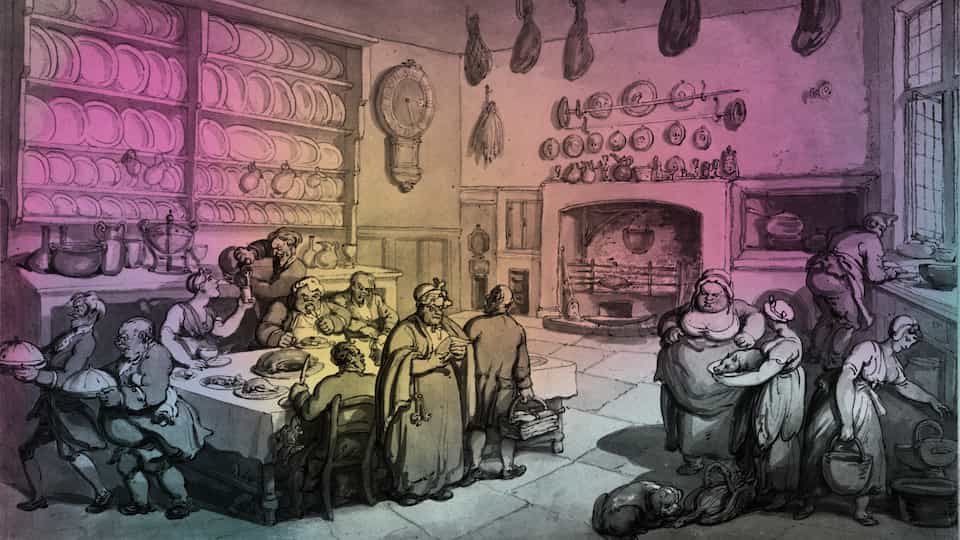
I haven’t had the stomach yet to watch Delicious in the Dungeon (aka Dungeon Meshi) but I’ve heard enough about it to know that eating monsters is a major element of the anime (and manga). Knowing nothing about it works in that universe, I thought it might be fun to throw together some tables to be used the first time a brave adventurer decides to take a culinary tour of the mythic underworld.
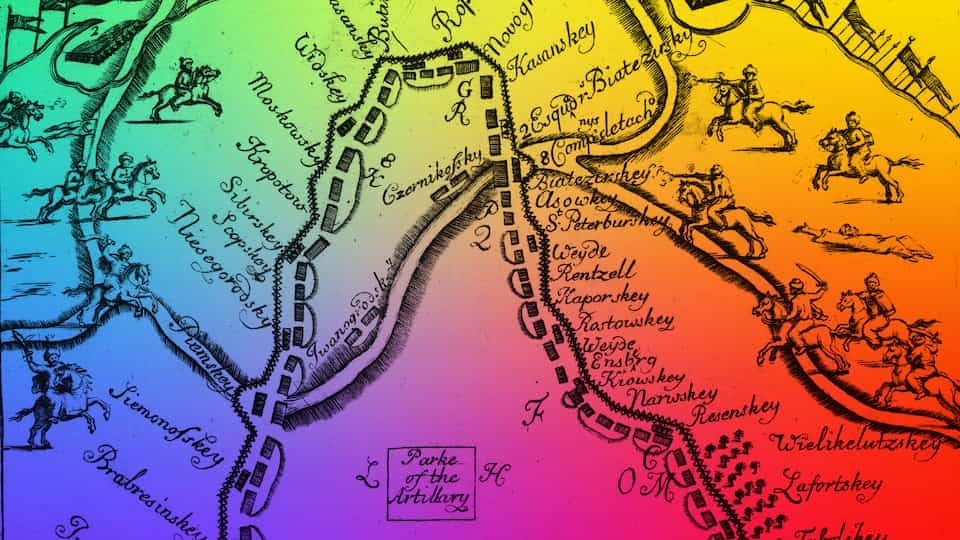
Finding the right path can make traveling through the wilderness easier. Of course, the emphasis here is on the right path. A wrong one can lead nowhere… or worse. When the party is looking for a path, let’s roll some dice to see what they find.
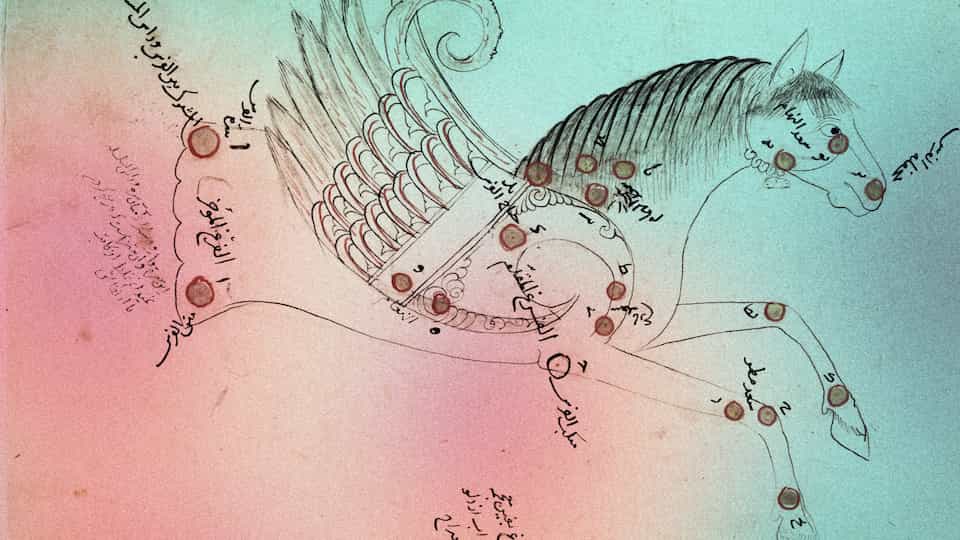
Since time immemorial, folk have lifted their eyes to behold the star-studded darkness of the firmament at night, saw the movements of planets, stars, and other celestial bodies as they wheeled across the dome of the sky and wondered what significance this cosmic dance had for their lives. Let’s roll some dice and find out!
Unraveling mysterious is one of the great pleasures of playing tabletop roleplaying games: figuring out who kidnapped the archpriest and why, unmasking the hidden mastermind behind assassinations across the kingdom, locating the powerful artifact thought lost, or any number of other questions great and small. As a Referee, mysteries are fun too, if you can embrace not knowing.
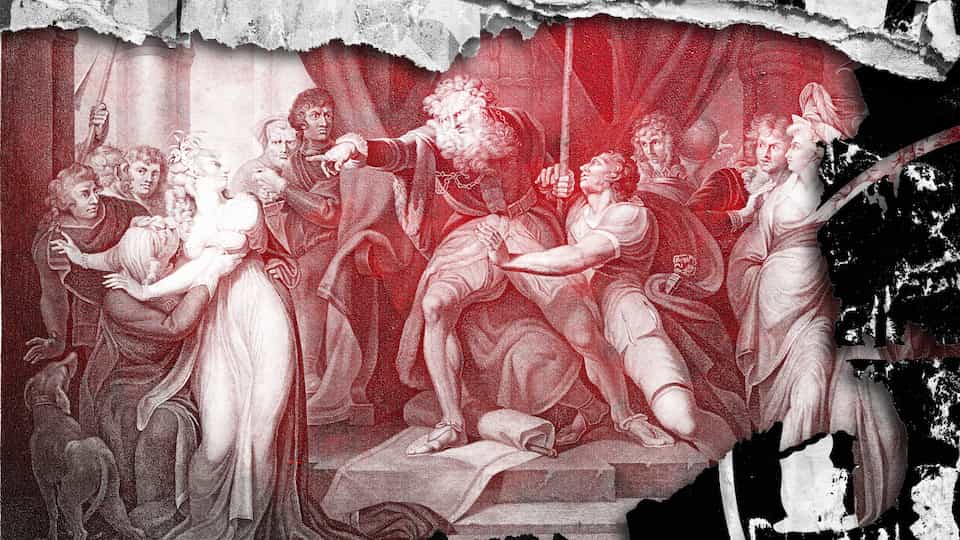
How can you tell if someone is lying to you? In popular media, it seems so simple. In real life, it’s much more complicated. That said, we’re not playing life here, we’re playing games! If a player asks whether their character sees any signs that the NPC they’re dealing with is lying, we can roll some dice to deliver some clues (or red herrings)!
In West Marches style games, a mechanic is sometimes used on occasions when a Character is unable to return to the hub town before the end of a session. It involves rolling on a table to determine the Character’s fate. Call me a softie but I don’t like the idea of outright killing a Character via the table, whether it is deserved or not. I’d rather use the opportunity to generate further avenues for adventure.
Adventurers should always expect the unexpected but, as referees, how often do we deliver on that premise? Often we lean on the strange and unusual to produce moments of shock but, sometimes, the more shocking thing isn’t what the players don’t know but what they know, or thought they knew, delivered in a completely unexpected context.
The stone golem contains an iron golem, powered by a fire elemental.
2
The medusa surrounded by creatures turned to stone is an illusion, the one actually turning people to stone is the invisible illusionist casting Flesh to Stone.
3
There’s a secret door in a pit, behind which is a meager treasure hoard (containing a wand of detect secrets), below which is another secret door, leading to a bigger treasure hoard.
4
The room is a secret teleporter to a similar dungeon on the moon. Beware gravity changes.
5
The owlbear is a bear with an owl on top of it. Both are druids.
6
The ochre jelly is a black pudding painted golden.
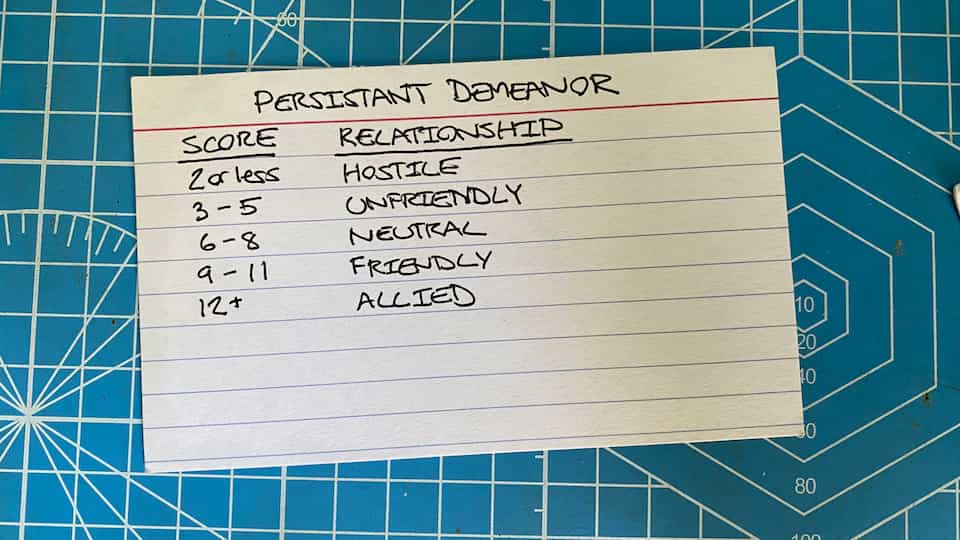
Allies are hard to come by in the harsh worlds represented by most tabletop-roleplaying games and systems don’t always provide mechanisms for tracking the friends player-characters make during their adventures. Here’s a relatively painless way to use a persistent reaction rating to monitor their relationships with notable non-player-characters.